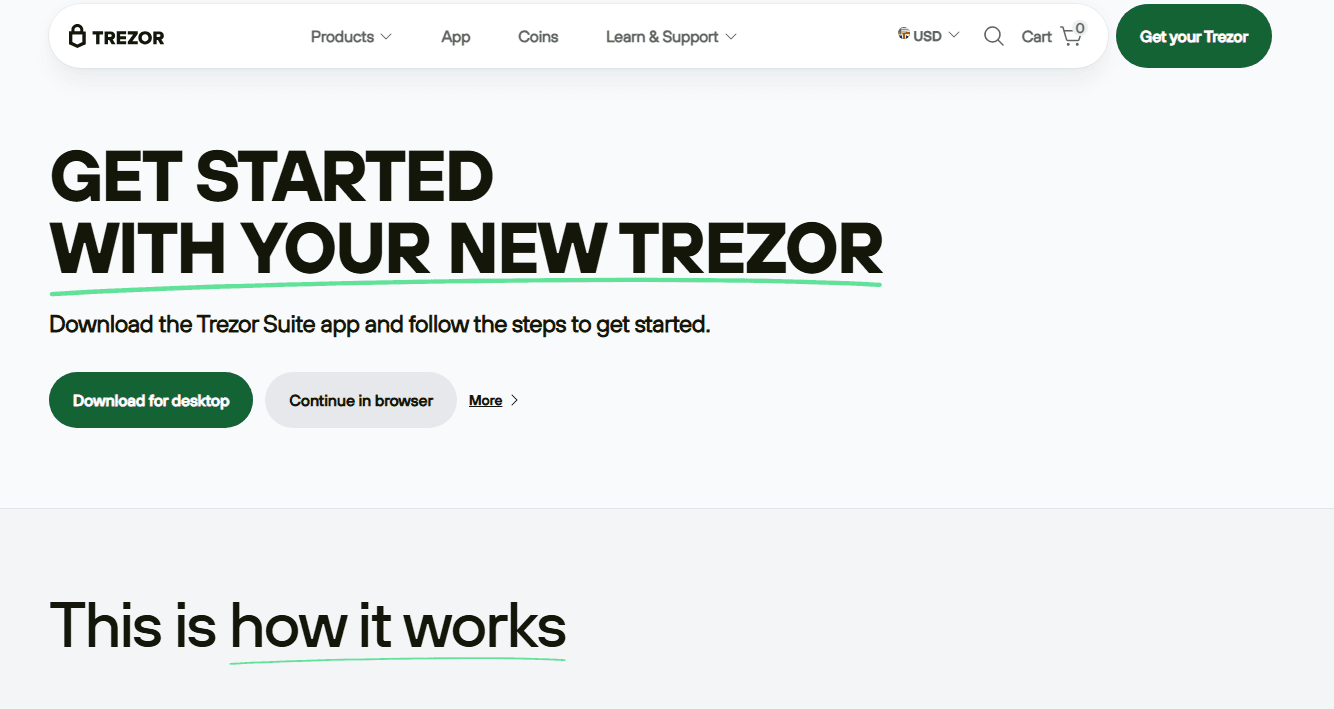
Trezor.io/start: The Essential Starting Point for Crypto Wallet Security
As digital currencies continue to gain popularity, protecting crypto assets has become a top priority for users worldwide. Unlike traditional banking systems, cryptocurrency places full responsibility for security in the hands of the owner. This makes choosing the right storage solution critical. Trezor hardware wallets are widely trusted for this purpose, and Trezor.io/start serves as the official gateway for setting up these devices correctly and securely.
This guide explains the importance of Trezor.io/start, how the setup process works, and the best practices every user should follow to safeguard their digital wealth.
Understanding Trezor.io/start
Trezor.io/start is the official setup and onboarding page created to guide users through the initial configuration of their Trezor hardware wallet. It ensures that the device is prepared in a secure environment using verified software and trusted instructions. This starting point helps users avoid common mistakes and reduces the risk of falling victim to fraudulent setup processes.
By following this guided approach, users maintain complete control over their private keys while ensuring that no sensitive data is exposed online.
Why Hardware Wallets Matter
Unlike mobile or web-based wallets, hardware wallets store private keys in an offline environment. This design protects funds from online attacks such as malware, phishing, and unauthorized access. Trezor devices never reveal private keys to connected computers or applications, even during transactions.
This level of isolation makes hardware wallets one of the safest options for long-term crypto storage, especially for users holding significant amounts of digital assets.
Preparing for the Setup Process
Before beginning the setup at Trezor.io/start, it is important to prepare a secure and distraction-free environment. You will need a genuine Trezor device, a computer or laptop, the original USB cable, and a safe place to store written information.
Privacy is essential during setup, especially when recording the recovery seed. Avoid public spaces, cameras, or shared screens to ensure complete confidentiality.
Initial Device Connection and Software Installation
The setup process begins by connecting the Trezor device to your computer. Once detected, you are guided to install the official management software. This application acts as the interface between you and your wallet, allowing you to manage accounts, track balances, and approve transactions securely.
All sensitive actions require confirmation directly on the Trezor device, adding a critical layer of protection against unauthorized access.
Firmware Installation and Verification
New Trezor devices are designed to be delivered without pre-installed firmware. During setup, users are prompted to install the latest firmware version. This ensures that the device is running trusted and up-to-date software.
Firmware installation must always be confirmed on the device screen itself. This verification step guarantees that no malicious software is being installed without your knowledge.
Creating or Restoring a Wallet
After firmware installation, users can choose between creating a new wallet or restoring an existing one. Creating a new wallet generates fresh cryptographic keys inside the device. These keys never leave the hardware wallet, ensuring maximum security.
For users who already have a recovery seed from a previous wallet, the restore option allows access to existing funds without exposing private keys online.
The Importance of the Recovery Seed
During wallet creation, the device generates a recovery seed made up of a sequence of words. This seed is the ultimate backup for your wallet. If the device is lost, damaged, or replaced, the recovery seed allows you to regain full access to your funds.
It is critical to write the recovery seed down accurately and store it in a secure offline location. Never save it digitally, never share it, and never enter it on unknown websites or applications.
Securing the Device with a PIN
A personal identification number, or PIN, is required to protect the Trezor device from physical misuse. Each incorrect PIN attempt increases the delay before another attempt can be made, preventing brute-force attacks.
Choosing a strong and unique PIN adds another essential layer of defense, ensuring that even if the device is stolen, unauthorized access remains highly unlikely.
Managing Crypto Assets After Setup
Once the setup process is complete, users can begin managing their cryptocurrency holdings. The official software allows you to send and receive funds, create multiple accounts, and monitor transaction history.
Every outgoing transaction must be confirmed on the Trezor device, ensuring that no transfer can occur without your physical approval. This feature protects users even if their computer is compromised.
Best Practices for Long-Term Security
To maintain long-term security, users should regularly update firmware, store recovery seeds securely, and remain alert to phishing attempts. Never respond to unsolicited messages asking for wallet information, and always verify transaction details on the device screen.
Using additional features such as passphrases can further enhance security for advanced users.
Conclusion
Trezor.io/start is a critical first step for anyone serious about protecting their cryptocurrency. It provides a secure, guided approach to wallet setup while educating users on essential security principles. By following the correct setup process and maintaining strong security habits, users gain full ownership and peace of mind over their digital assets. In the evolving world of cryptocurrency, a secure beginning makes all the difference.